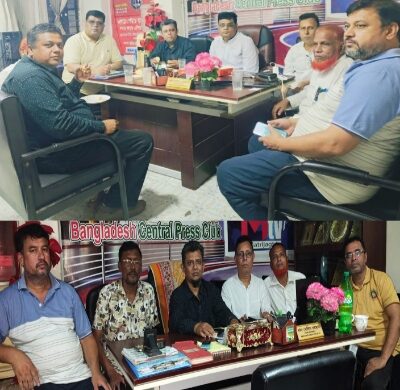



নিজস্ব প্রতিবেদক : বিশ্বজুড়ে সাংবাদিক নির্যাতন, হামলা, হয়রানি, গ্রেপ্তার, কারাবন্দিত্ব ও হত্যার ঘটনা কোনোভাবেই থামছে না; বরং সাম্প্রতিক বছরগুলোতে সাংবাদিকদের ওপর সহিংসতা আশঙ্কাজনকভাবে বৃদ্ধি পেয়ে গণমাধ্যমের স্বাধীনতা, মতপ্রকাশের অধিকার, মানবাধিকার ও গণতন্ত্রের জন্য এক গভীর বৈশ্বিক সংকটে রূপ নিয়েছে। যুদ্ধ, রাজনৈতিক সংঘাত, কর্তৃত্ববাদী শাসন, সন্ত্রাস, সংগঠিত অপরাধ, বিচারহীনতা, সাইবার হয়রানি এবং ডিজিটাল নজরদারির কারণে বিশ্বের বিভিন্ন দেশে সাংবাদিকরা প্রতিনিয়ত জীবনের ঝুঁকি নিয়ে দায়িত্ব পালন করছেন। বিশেষ করে যুদ্ধ ও সংঘাতপূর্ণ অঞ্চলে সত্য তুলে ধরতে গিয়ে সাংবাদিকদের জীবন দিতে হচ্ছে। এমন পরিস্থিতিতে বিশ্বব্যাপী সাংবাদিক নির্যাতন ও হত্যাকাণ্ড বন্ধ, অপরাধীদের বিচারের আওতায় আনা এবং সাংবাদিকদের নিরাপত্তা নিশ্চিত করতে আন্তর্জাতিকভাবে কার্যকর ও বাধ্যতামূলক পদক্ষেপ নেওয়ার জোর দাবি জানিয়েছে ওয়ার্ল্ড ইন্টারন্যাশনাল প্রেস ক্লাব (WIPC)। সংগঠনের চেয়ারম্যান আওরঙ্গজেব কামাল (বাংলাদেশ) বলেন, “প্রতিটি দেশের গণতন্ত্র রক্ষা এবং জনগণের স্বার্থ তুলে ধরতে সাংবাদিকরা অনেক সময় জীবনের ঝুঁকি নিয়ে কাজ করেন। সত্য প্রকাশ করতে গিয়ে একজন সাংবাদিক যদি নির্যাতন, হামলা কিংবা হত্যার শিকার হন, তাহলে শুধু একজন মানুষ নয়—জনগণের জানার অধিকারও আক্রান্ত হয়। তাই সাংবাদিকদের নিরাপত্তা নিশ্চিত করা এখন সময়ের সবচেয়ে জরুরি দাবি।” সংগঠনের মহাসচিব মিয়ান ইশতিয়াক আলী (পাকিস্তান) বলেন, “বিশ্বব্যাপী সাংবাদিকদের নিরাপত্তা আরও জোরদার করতে হবে। সাংবাদিকরা নিরাপদে কাজ করতে না পারলে জনগণের ন্যায্য অধিকার, সত্য তথ্য ও বাস্তব পরিস্থিতি বিশ্ববাসীর সামনে তুলে ধরা সম্ভব হবে না। সাংবাদিক হত্যার প্রতিটি ঘটনার নিরপেক্ষ তদন্ত ও দৃষ্টান্তমূলক বিচার নিশ্চিত করতে হবে।” সংগঠনের সাংগঠনিক সম্পাদক সমরেশ রায় (ভারত) বলেন, “বিশ্বের অন্যান্য অঞ্চলের মতো এশিয়া মহাদেশেও সাংবাদিক নির্যাতন ক্রমেই বাড়ছে। দ্রুত এসব ঘটনা প্রতিহত করতে হবে। সাংবাদিকদের নিরাপত্তার জন্য বিশ্বের বিভিন্ন দেশের সাংবাদিকদের মধ্যে কার্যকর একটি আন্তর্জাতিক নেটওয়ার্ক গড়ে তোলা প্রয়োজন। ওয়ার্ল্ড ইন্টারন্যাশনাল প্রেস ক্লাব সেই লক্ষ্যেই ধারাবাহিকভাবে কাজ করে যাচ্ছে।” এ সময় সংগঠনের নেতৃবৃন্দ বিশ্বব্যাপী সাংবাদিক নির্যাতন, হত্যা, গ্রেপ্তার, কারাবন্দিত্ব, সাইবার হয়রানি এবং গণমাধ্যমের ওপর চাপ প্রয়োগের বিভিন্ন চিত্র তুলে ধরেন। আন্তর্জাতিক সাংবাদিক সংগঠনগুলোর সাম্প্রতিক তথ্যও পরিস্থিতির ভয়াবহতা স্পষ্ট করছে। কমিটি টু প্রটেক্ট জার্নালিস্টস (CPJ)-এর হিসাবে, ২০২৫ সালে বিশ্বজুড়ে ১২৯ জন সাংবাদিক ও গণমাধ্যমকর্মী নিহত হয়েছেন, যা ১৯৯২ সালে তথ্য সংগ্রহ শুরুর পর তাদের হিসাবে সর্বোচ্চ। অন্যদিকে ইন্টারন্যাশনাল ফেডারেশন অব জার্নালিস্টস (IFJ) ২০২৫ সালে ১২৮ জন সাংবাদিক ও গণমাধ্যমকর্মী নিহত হওয়ার তথ্য দিয়েছে। দুই আন্তর্জাতিক সংস্থার পরিসংখ্যানে সামান্য পার্থক্য থাকলেও উভয় প্রতিবেদনই সাংবাদিকদের জন্য বিশ্বব্যাপী পরিস্থিতির ভয়াবহতার বিষয়টি স্পষ্ট করেছে। IFJ-এর তথ্য অনুযায়ী, মধ্যপ্রাচ্য ও আরব অঞ্চল ২০২৫ সালে সাংবাদিকদের জন্য সবচেয়ে প্রাণঘাতী এলাকায় পরিণত হয়; বিশেষ করে ফিলিস্তিনে বিপুলসংখ্যক সাংবাদিক নিহত হয়েছেন। গাজা উপত্যকায় সংবাদ সংগ্রহ করতে গিয়ে সাংবাদিকদের মৃত্যু, হামলা ও নিরাপত্তাহীনতা আন্তর্জাতিক অঙ্গনে গভীর উদ্বেগ সৃষ্টি করেছে। ইউক্রেন, সুদান ও ইয়েমেনসহ বিভিন্ন সংঘাতপূর্ণ এলাকাতেও সাংবাদিকরা প্রতিনিয়ত প্রাণের ঝুঁকি নিয়ে দায়িত্ব পালন করছেন। আধুনিক যুদ্ধ ও সংঘাতে তথ্য নিয়ন্ত্রণ, সত্য গোপন এবং প্রোপাগান্ডা বিস্তারের অংশ হিসেবে সাংবাদিকদের লক্ষ্যবস্তু করার অভিযোগও ক্রমেই সামনে আসছে। শুধু হত্যাই নয়, সাংবাদিকদের বিরুদ্ধে কারাদণ্ড, গ্রেপ্তার, নির্যাতন ও দীর্ঘমেয়াদি বন্দিত্বও বিশ্বব্যাপী বড় হুমকি হয়ে দাঁড়িয়েছে। IFJ-এর ২০২৫ সালের হিসাবে বিশ্বের বিভিন্ন দেশে শত শত সাংবাদিক কারাগারে বন্দি ছিলেন এবং চীনকে সবচেয়ে বেশি সাংবাদিক কারাবন্দি রাখা দেশগুলোর অন্যতম হিসেবে চিহ্নিত করা হয়েছে। সাংবাদিকদের বিরুদ্ধে জাতীয় নিরাপত্তা, সাইবার অপরাধ, রাষ্ট্রবিরোধী কর্মকাণ্ডসহ বিভিন্ন অভিযোগে কঠোর আইন প্রয়োগের কারণে স্বাধীন সাংবাদিকতার পরিসর সংকুচিত হওয়ার আশঙ্কা তৈরি হয়েছে। সাংবাদিক হত্যার পরও অপরাধীদের বিচার না হওয়া পরিস্থিতিকে আরও ভয়াবহ করে তুলছে। ইউনেস্কোর তথ্য অনুযায়ী, ২০০৬ সাল থেকে বিশ্বব্যাপী নথিভুক্ত সাংবাদিক হত্যার প্রায় ৮৫ শতাংশ এখনো অমীমাংসিত, অর্থাৎ বিপুলসংখ্যক হত্যাকাণ্ডের ক্ষেত্রে অপরাধীরা বিচারের মুখোমুখি হয়নি। সাংবাদিকদের ওপর হামলার ক্ষেত্রে এই বিচারহীনতার সংস্কৃতি অপরাধীদের আরও উৎসাহিত করে এবং সমাজে দুর্নীতি, ক্ষমতার অপব্যবহার ও মানবাধিকার লঙ্ঘনের ঘটনা আড়ালে থাকার সুযোগ সৃষ্টি করে। ডিজিটাল যুগে সাংবাদিক নির্যাতনের নতুন মাত্রা যোগ হয়েছে সাইবার হামলা, অনলাইন হয়রানি, ট্রোলিং, হুমকি, লিঙ্গভিত্তিক সহিংসতা, ডিপফেক ও কৃত্রিম বুদ্ধিমত্তার অপব্যবহারের মাধ্যমে। বিশেষ করে নারী সাংবাদিকরা অনলাইনে ব্যাপক হুমকি ও হয়রানির শিকার হচ্ছেন। UNESCO ও অংশীদারদের সাম্প্রতিক গবেষণায় দেখা গেছে, জরিপে অংশ নেওয়া বিপুলসংখ্যক নারী সাংবাদিক তাদের পেশাগত কাজের কারণে অনলাইন সহিংসতার মুখোমুখি হয়েছেন। একই সঙ্গে কৃত্রিম বুদ্ধিমত্তা ব্যবহার করে ভুয়া তথ্য, বিভ্রান্তিকর কনটেন্ট ও ডিপফেক তৈরি এবং সাংবাদিকদের ওপর ডিজিটাল নজরদারি চালানোর ঘটনা গণমাধ্যমের স্বাধীনতার জন্য নতুন চ্যালেঞ্জ তৈরি করেছে। বিশ্বব্যাপী সাংবাদিক নির্যাতনের পাশাপাশি বাংলাদেশেও সাংবাদিকদের ওপর হামলা, হয়রানি, হুমকি, লাঞ্ছনা ও গ্রেপ্তারের ঘটনা নিয়ে উদ্বেগ বাড়ছে। মানবাধিকার সংগঠন হিউম্যান রাইটস সাপোর্ট সোসাইটি (এইচআরএসএস)-এর অর্ধবার্ষিক প্রতিবেদনে বলা হয়েছে, ২০২৬ সালের জানুয়ারি থেকে জুন—এই ছয় মাসে দেশে ৩৮৩ জন সাংবাদিক নির্যাতন ও হয়রানির শিকার হয়েছেন। তাদের মধ্যে ২৩৪ জন আহত, ৬০ জন লাঞ্ছনার শিকার এবং ৪৯ জন হুমকি পেয়েছেন; একই সময়ে ১১ জন সাংবাদিককে আটক করা হয়েছে বলে প্রতিবেদনে উল্লেখ করা হয়। ১৬টি জাতীয় গণমাধ্যমে প্রকাশিত সংবাদ ও সংগৃহীত তথ্যের ভিত্তিতে মানবাধিকার পরিস্থিতির ওই প্রতিবেদন তৈরি করা হয়েছে বলে জানায় এইচআরএসএস। প্রতিবেদনে বলা হয়েছে, একই ছয় মাসে রাজনৈতিক ও নির্বাচনী সহিংসতার ঘটনায় দলীয় কোন্দলে ৫৬ জন নিহত হয়েছেন এবং বিভিন্ন রাজনৈতিক সহিংসতায় ৫ হাজার ২৪৬ জনের বেশি নেতাকর্মী ও সাধারণ মানুষ আহত হয়েছেন। এ ছাড়া মব সহিংসতা ও গণপিটুনির ঘটনায় ১৩৩ জন নিহত এবং ২৫৬ জন আহত হয়েছেন। প্রতিবেদনে আরও বলা হয়, এ সময়ে ৪০টি সভা-সমাবেশ আয়োজনে আইনশৃঙ্খলা বাহিনী সরাসরি বা পরোক্ষভাবে বাধা দিয়েছে; এসব ঘটনায় ৩১১ জন আহত ও ৩৮ জন আটক হন। একই সময়ে সাইবার নিরাপত্তা অধ্যাদেশের বিভিন্ন ধারায় ৩০টি মামলায় ৮১ জনকে অভিযুক্ত এবং ৪৪ জনকে গ্রেপ্তার করা হয়েছে বলে প্রতিবেদনে উল্লেখ করা হয়। রাজনৈতিক ব্যক্তিদের নিয়ে সামাজিক যোগাযোগমাধ্যমে পোস্ট, ধর্মীয় অনুভূতিতে আঘাত ও কোরআন অবমাননার অভিযোগসহ বিভিন্ন ঘটনায় আটক, মামলা ও হামলার তথ্যও প্রতিবেদনে তুলে ধরা হয়েছে। সাংবাদিকদের বিরুদ্ধে সাইবার নিরাপত্তা অধ্যাদেশের অধীনে ১৫টি মামলা হয়েছে এবং ৩৩ জন সাংবাদিককে আসামি করা হয়েছে বলে এইচআরএসএস জানিয়েছে। ২০২৫ সালের একই সময়ে সাইবার নিরাপত্তা আইনের অধীনে সাংবাদিকদের বিরুদ্ধে পাঁচটি মামলা হয়েছিল বলেও প্রতিবেদনে তুলনা করা হয়েছে। আইনশৃঙ্খলা বাহিনীর হেফাজত, নির্যাতন, গুলি ও কথিত বন্দুকযুদ্ধের ঘটনাও মানবাধিকার পরিস্থিতিকে উদ্বেগজনক করে তুলেছে বলে প্রতিবেদনে উল্লেখ করা হয়েছে। ২০২৬ সালের জানুয়ারি থেকে জুন পর্যন্ত এ ধরনের ঘটনায় ১১ জন নিহত হয়েছেন বলে এইচআরএসএসের প্রতিবেদনে বলা হয়েছে; এর মধ্যে হেফাজতে ও নির্যাতনের শিকার হয়ে পাঁচজন, গুলিবিদ্ধ হয়ে দুইজন এবং কথিত বন্দুকযুদ্ধে তিনজন নিহত হওয়ার তথ্য দেওয়া হয়েছে। এ ছাড়া আইনশৃঙ্খলা বাহিনীর ধাওয়া খেয়ে গ্রেপ্তার এড়াতে পালানোর সময় পাঁচজনের মৃত্যুর কথাও প্রতিবেদনে উল্লেখ করা হয়েছে। কারাগারে মৃত্যুর বিষয়েও উদ্বেগ প্রকাশ করেছে সংগঠনটি। প্রতিবেদনে বলা হয়েছে, বছরের প্রথম ছয় মাসে দেশের বিভিন্ন কারাগারে অন্তত ৫৮ জন মারা গেছেন; তাদের মধ্যে ২৬ জন কয়েদি এবং ৩২ জন হাজতি ছিলেন। সাংবাদিকদের নিরাপত্তা নিশ্চিত করতে শুধু নিন্দা বা বিবৃতি নয়, প্রয়োজন কার্যকর আন্তর্জাতিক ব্যবস্থা—এমন মত প্রকাশ করেছেন ওয়ার্ল্ড ইন্টারন্যাশনাল প্রেস ক্লাবের নেতৃবৃন্দ। তাদের দাবি, সাংবাদিক হত্যা ও হামলার প্রতিটি ঘটনার দ্রুত, স্বাধীন ও নিরপেক্ষ তদন্ত করতে হবে; অপরাধীদের রাজনৈতিক, প্রশাসনিক বা অন্য কোনো পরিচয় বিবেচনা না করে আইনের আওতায় আনতে হবে; যুদ্ধ ও সংঘাতপূর্ণ অঞ্চলে সাংবাদিকদের জন্য বিশেষ নিরাপত্তা ব্যবস্থা নিশ্চিত করতে হবে; নারী সাংবাদিকদের অনলাইন ও অফলাইন নিরাপত্তায় কার্যকর সুরক্ষা ব্যবস্থা গড়ে তুলতে হবে; কৃত্রিম বুদ্ধিমত্তা, ডিপফেক, সাইবার হামলা ও অবৈধ নজরদারির বিরুদ্ধে আন্তর্জাতিক নীতিমালা প্রণয়ন করতে হবে; সাংবাদিকদের নির্বিচারে গ্রেপ্তার ও হয়রানি বন্ধ করতে হবে এবং বিশ্বের বিভিন্ন দেশের সাংবাদিক ও গণমাধ্যম সংগঠনের মধ্যে একটি শক্তিশালী আন্তর্জাতিক নেটওয়ার্ক গড়ে তুলতে হবে। সংগঠনের নেতৃবৃন্দ বলেন, সাংবাদিক নির্যাতন কোনো বিচ্ছিন্ন পেশাগত সমস্যা নয়; এটি একটি দেশের গণতন্ত্র, মানবাধিকার, আইনের শাসন এবং জনগণের তথ্য জানার অধিকারের সঙ্গে সরাসরি সম্পর্কিত। সাংবাদিক যদি ভয় ছাড়া প্রশ্ন করতে না পারেন, দুর্নীতি অনুসন্ধান করতে না পারেন কিংবা অন্যায়ের বিরুদ্ধে প্রতিবেদন প্রকাশ করতে না পারেন, তাহলে জনগণের জানার অধিকার ক্ষতিগ্রস্ত হয়। আর সাংবাদিক হত্যার বিচার না হলে অপরাধীরা আরও উৎসাহিত হয়। তাই সাংবাদিকদের নিরাপত্তাকে শুধু গণমাধ্যমকর্মীদের দাবি হিসেবে না দেখে গণতন্ত্র, মানবাধিকার ও জনগণের মৌলিক অধিকার রক্ষার আন্তর্জাতিক অঙ্গীকার হিসেবে বিবেচনা করার আহ্বান জানিয়েছে ওয়ার্ল্ড ইন্টারন্যাশনাল প্রেস ক্লাব। সংগঠনটির নেতৃবৃন্দের ভাষায়, “সাংবাদিকের কণ্ঠ রোধ করা মানে জনগণের কণ্ঠ রোধ করা; আর সাংবাদিকের নিরাপত্তা নিশ্চিত করা মানে সত্য, ন্যায়, গণতন্ত্র ও মানুষের অধিকারকে নিরাপদ করা।” তাদের দাবি, বিশ্বের কোনো প্রান্তে যেন একজন সাংবাদিক সত্য প্রকাশের কারণে জীবন না হারান এবং নির্যাতন, কারাবন্দিত্ব ও হয়রানির শিকার না হন—সেজন্য এখনই সমন্বিত, শক্তিশালী ও কার্যকর আন্তর্জাতিক পদক্ষেপ নেওয়া জরুরি।
Journalist Repression and Killings Worldwide: Violence Continues, Global Media Safety Crisis Deepens
Silencing Journalists Means Denying the Public’s Right to Information — World International Press Club Calls for Stronger International Action
Staff Correspondent: Violence against journalists worldwide—including attacks, harassment, arrests, imprisonment and killings—shows no sign of stopping. Instead, violence against media professionals has reached alarming levels in recent years, creating a deepening global crisis for press freedom, freedom of expression, human rights and democracy.
Wars, political conflicts, authoritarian rule, terrorism, organized crime, impunity, cyber harassment and digital surveillance have placed journalists in many countries at constant risk while carrying out their professional responsibilities. In particular, journalists working in war and conflict zones continue to lose their lives while attempting to report the truth from the ground.
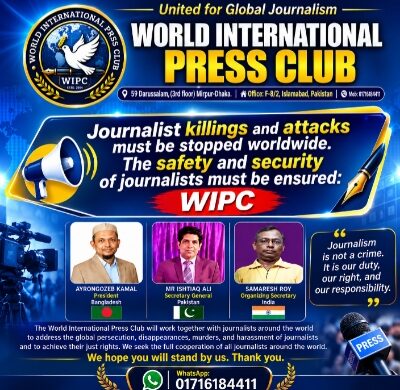
Against this backdrop, the World International Press Club (WIPC) has issued a strong call for effective and binding international measures to end attacks and killings of journalists worldwide, bring perpetrators to justice and ensure the safety and security of media professionals.
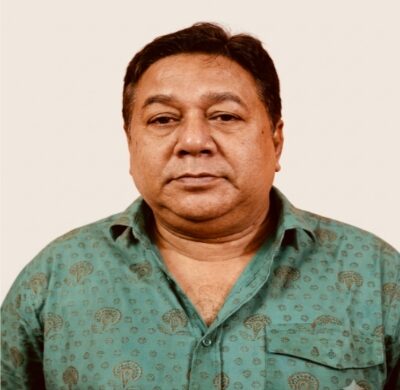
WIPC Chairman Awrangzeb Kamal of Bangladesh said, “Journalists often risk their lives to protect democracy and highlight issues affecting the public interest. When a journalist is assaulted, persecuted or killed for revealing the truth, it is not merely an attack on an individual—it is also an attack on the public’s right to know. Ensuring the safety of journalists is therefore one of the most urgent demands of our time.”
WIPC Secretary-General Mian Ishtiaq Ali of Pakistan said, “The safety and security of journalists must be strengthened worldwide. If journalists cannot work safely, it becomes impossible to bring people’s legitimate rights, accurate information and the realities of situations before the international community. Every killing of a journalist must be subject to an independent investigation, and exemplary justice must be ensured.”
WIPC Organizing Secretary Samaresh Roy of India said, “As in other regions of the world, attacks and repression against journalists are also increasing across Asia. These incidents must be prevented without delay. An effective international network among journalists from different countries is essential for ensuring their safety. The World International Press Club has been working continuously toward that objective.”
WIPC leaders also highlighted various forms of journalist repression worldwide, including killings, physical attacks, arrests, imprisonment, cyber harassment and pressure on media organizations.
Recent data from international journalist organizations further demonstrate the severity of the situation. According to the Committee to Protect Journalists (CPJ), 129 journalists and media workers were killed worldwide in 2025, the highest annual figure recorded by the organization since it began collecting data in 1992.
Meanwhile, the International Federation of Journalists (IFJ) reported that 128 journalists and media workers were killed in 2025. Although there is a slight difference between the figures reported by the two international organizations, both reports clearly indicate the grave dangers faced by journalists around the world.
According to the IFJ, the Middle East and Arab region became the deadliest area for journalists in 2025, with a particularly high number of journalists killed in Palestine. The deaths, attacks and insecurity faced by journalists reporting from the Gaza Strip have generated serious concern internationally.
Journalists in conflict zones including Ukraine, Sudan and Yemen have also continued to perform their duties while facing severe risks to their lives. Allegations that journalists are increasingly being targeted as part of efforts to control information, conceal the truth and spread propaganda during modern wars and conflicts have also emerged.
The threat is not limited to killings. Arrests, imprisonment, torture and prolonged detention of journalists have become major concerns worldwide. According to the IFJ’s 2025 data, hundreds of journalists were imprisoned in different countries, with China identified as one of the countries holding the largest number of journalists in detention.
The use of strict laws against journalists under allegations related to national security, cybercrime and anti-state activities has raised concerns about the shrinking space for independent journalism.
The failure to bring perpetrators to justice after journalists are killed is making the situation even more alarming. According to UNESCO, approximately 85 percent of documented journalist killings worldwide since 2006 remain unresolved. This means that perpetrators in a vast number of cases have yet to face justice.
Such a culture of impunity encourages further attacks against journalists and creates opportunities for corruption, abuse of power and human rights violations to remain hidden from public scrutiny.
The digital era has also introduced new forms of journalist repression, including cyberattacks, online harassment, trolling, threats, gender-based violence, deepfakes and the misuse of artificial intelligence. Women journalists, in particular, face widespread online threats and harassment.
Recent research conducted by UNESCO and its partners has shown that a significant proportion of women journalists surveyed have experienced online violence because of their professional work. At the same time, the use of artificial intelligence to create false information, misleading content and deepfakes, as well as digital surveillance targeting journalists, is creating new challenges for media freedom.
Situation in Bangladesh
Concerns over attacks, harassment, threats, assault and arrests of journalists are also increasing in Bangladesh.
According to a six-month report by the Human Rights Support Society (HRSS), 383 journalists were subjected to various forms of repression and harassment in Bangladesh between January and June 2026. The report said that 234 journalists were injured, 60 were subjected to physical assault or humiliation, and 49 received threats. During the same period, 11 journalists were reportedly detained.
HRSS said its human rights report was prepared based on news published in 16 national media outlets and information collected from various sources.
The report also stated that during the same six-month period, 56 people were killed in political and election-related violence linked to internal party conflicts, while more than 5,246 political activists and members of the general public were injured in various incidents of political violence.
In addition, 133 people were reportedly killed and 256 injured in incidents of mob violence and mass beatings.
The report further stated that law enforcement agencies directly or indirectly obstructed 40 meetings and rallies during the period. As a result, 311 people were injured and 38 were detained.
According to HRSS, 81 people were accused in 30 cases filed under various provisions of the Cyber Security Ordinance during the first six months of 2026, while 44 people were arrested.
The report also documented arrests, lawsuits and attacks in various incidents involving social media posts concerning political figures, allegations of hurting religious sentiments and alleged desecration of the Quran.
HRSS reported that 15 cases were filed against journalists under the Cyber Security Ordinance, with 33 journalists named as accused. By comparison, five cases had been filed against journalists under the Cyber Security Act during the same period in 2025.
The report also expressed concern over incidents involving law enforcement custody, alleged torture, shootings and so-called “gunfights.”
Between January and June 2026, 11 people were reportedly killed in such incidents, including five who died allegedly in custody or as a result of torture, two who were shot, and three who were killed in so-called gunfights. The report also mentioned the deaths of five people while allegedly attempting to flee arrest after being chased by law enforcement agencies.
HRSS further expressed concern over deaths in prisons. According to the report, at least 58 people died in various prisons across the country during the first six months of the year, including 26 convicted prisoners and 32 detainees awaiting trial.
WIPC Calls for Strong International Measures
Leaders of the World International Press Club emphasized that condemnation and statements alone are not enough to protect journalists. They called for effective international mechanisms to guarantee the safety and security of journalists worldwide.
The organization called for the following measures:
Every attack and killing of a journalist must be investigated promptly, independently and impartially.
Perpetrators must be brought to justice regardless of their political, administrative or social status.
Special security measures must be established for journalists working in war and conflict zones.
Effective protection mechanisms must be developed for the online and offline safety of women journalists.
International policies and standards must be established to combat AI-generated misinformation, deepfakes, cyberattacks and unlawful digital surveillance.
Arbitrary arrests, harassment and intimidation of journalists must be stopped.
A strong international network among journalists and media organizations from different countries must be developed to protect journalists and promote press freedom.
WIPC leaders said journalist repression is not merely a professional issue concerning media workers. It is directly connected to democracy, human rights, the rule of law and the public’s fundamental right to access information.
“If journalists cannot ask questions without fear, investigate corruption or report injustice, the public’s right to know is inevitably undermined,” the organization said. “When the killing of a journalist goes unpunished, perpetrators are further emboldened.”
The World International Press Club therefore urged the international community to treat the protection of journalists not merely as a demand of media professionals, but as an international commitment to safeguarding democracy, human rights and the fundamental right of people to know the truth.
In the words of the organization’s leaders, “Silencing a journalist means silencing the voice of the people; ensuring the safety of journalists means protecting truth, justice, democracy and human rights.”
The WIPC called for immediate, coordinated and effective international action so that no journalist anywhere in the world loses their life—or faces torture, imprisonment or harassment—for reporting the truth.